


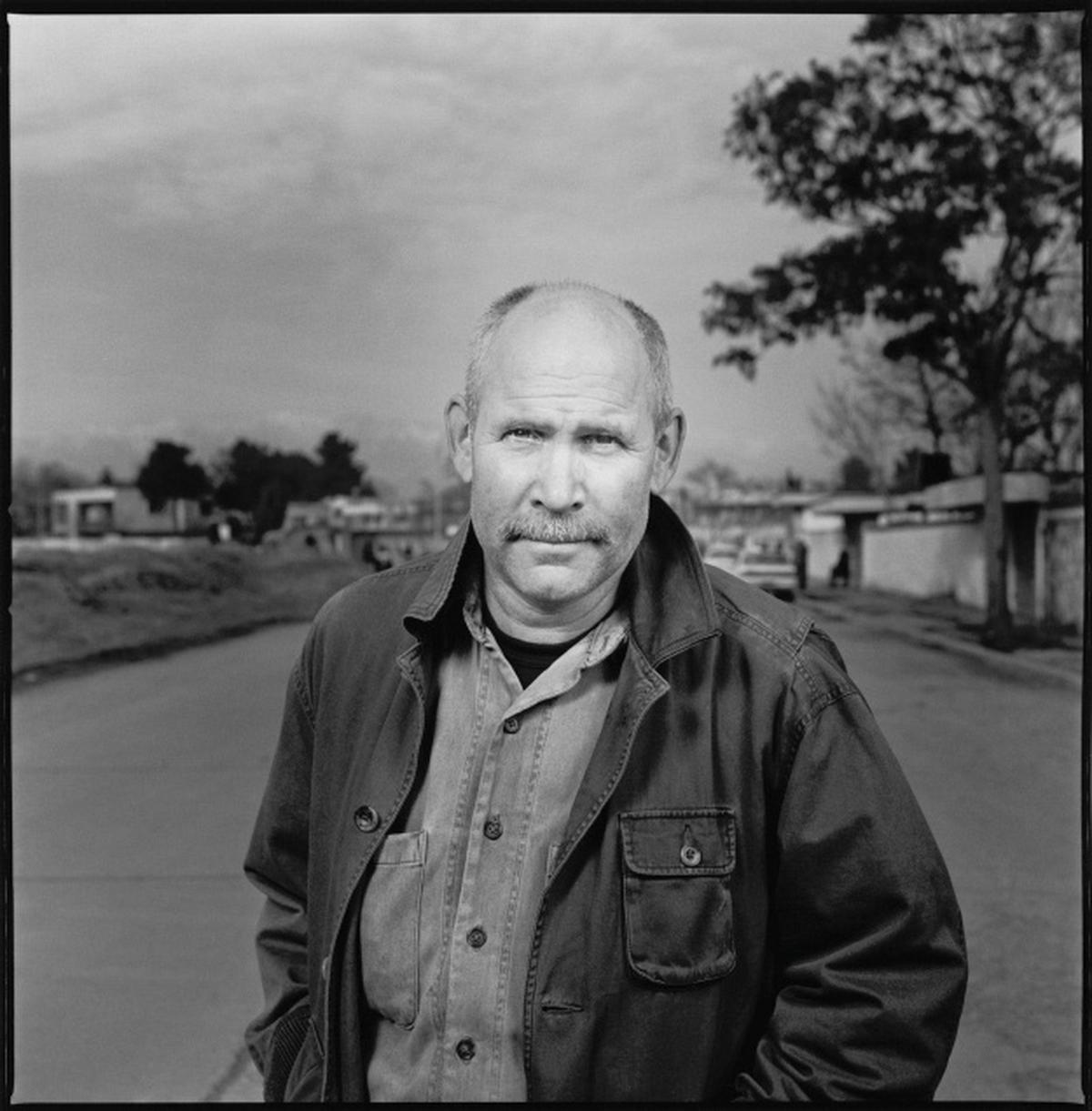
Steve McCurryis obviously asked by a lot of people how they can become a photographer. And in reply his advice is never about cameras or lenses or technique. He says, “If you want to be a Photographer, first leave home.”
And if there is one photographer on earth who has taken his advice really seriously, it’s Steve McCurry himself. His body of work shows what wonderful advice that is for anyone who aspires to be a humane and engaged photographer.
In an e-mail interview with photographer Dinesh Khanna , Steve McCurry, the keynote speaker at The Hindu Lit For Life in New Delhi on February 6, answered questions about his life, work, influences and experiences.
Shooting with the last roll of Kodachrome and shooting the Pirelli Calendar — two very different assignments, but significant for any photographer. How did you feel emotionally about doing these assignments? And did you approach them differently?
It was a big responsibility to shoot the final roll of such an iconic film. I tried to shoot 36 pictures that acted as some kind of wrap-up, to mark its passing as it was such a wonderful film that I shot for 30 years. It was definitely the end of an era, so I wanted to pay tribute to an old friend and in some way have the subjects share some thematic symmetry with the end.
Being selected to shoot the 2013 Pirelli Calendar was a great honour, and with that I was given a lot of creative freedom as well. I felt very comfortable on that assignment, and it was a great experience working with the best models in the best situations, with the perfect backdrop of the city of Rio.
I believe you have visited India 85 times. What is it that fascinates you about this country and how has your experience of shooting here changed or evolved over the years?
What fascinates me about India is that it is so culturally rich with all of its different religions and contrast of so many people living in medieval conditions, next to a big middle class of society. You cannot find another country with such a rich and varied geography and culture amid the chaos and confusion. Over the years I never get tired of India, it is always interesting and I never run out of new things to see there.
Photography has been through tectonic changes in the last few years, both in terms of making photographs and the usage of the image. How has this impacted your work and how have you handled the change?
It hasn’t really changed the way I see or the way I photograph. It has certainly changed my process — allowing me to work in much lower light and more difficult situations than I could in the past — but the same truths apply to any image regardless of the technique that went into crafting it. There’s impermanence about all things and nostalgia about things in the past — but I prefer to look to the future.
Your work over the years can be described as conflict, documentary, journalistic or street photography. How do you see yourself and do you think it’s important to have one’s work labelled and classified?
I see myself as a documentary photographer, as I want to tell stories through my pictures. I think documentary photography is becoming more accepted in the fine art market. There are certain documentary photographs that hit on something that we all respond to, a universal chord that speaks to us and thus documentary photography becomes important.
Could you tell us of some incidents which impacted you greatly and possibly influenced your work as a photographer from thereon.
Working in Kuwait in the aftermath of the first Gulf War was a unforgettable and surreal experience. The Iraqi army had left utter devastation in their wake — 600 oilfields burning, panicked and starved animals wandering about, and a landscape dotted with hundreds of dead Iraqi soldiers. It was like a vision of hell.
What would be your advice to young photographers on how to evolve their work and to grow their careers in this rather dynamic phase of photography’s evolution?
If you look at the photographers whose work we admire, they have found a particular place or subject and carved out something that’s become special. You need patience and discipline — honing one’s skills takes a lot of effort and time. Ultimately you cannot afford to be complacent, you need to keep moving forward. Stay focused, be engaged.
Lit for Life online
Website - >www.thehindulfl.com and >www.thehindu.com/litforlife
Facebook - >www.facebook.com/TheHinduLitForLife
Twitter - @hindulitforlife
YouTube - >www.thne.ws/playlist-lfl
Click >here for the programme in Delhi & Chennai

